
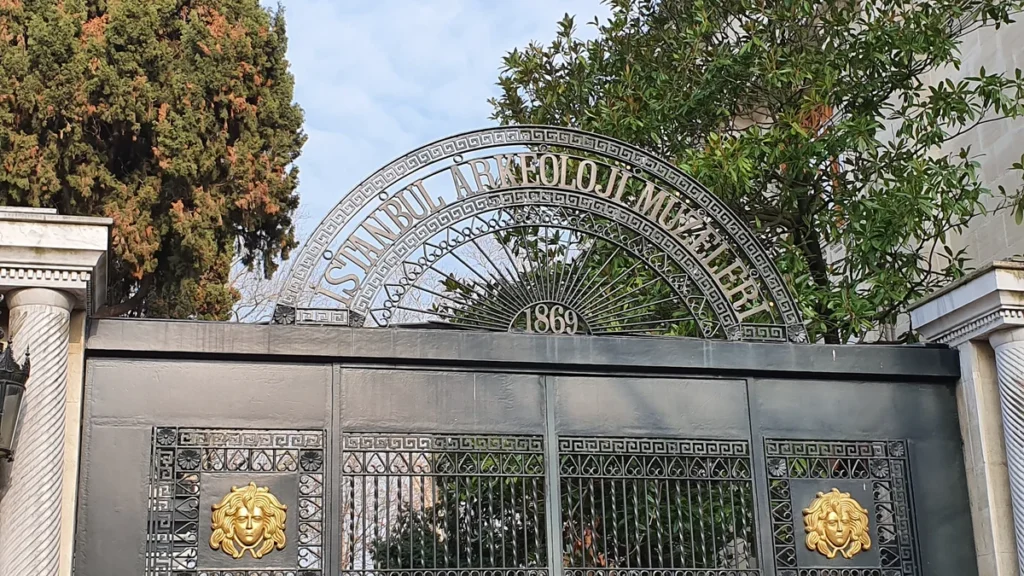
Turkey’s tourism economy has long been measured by coastal all-inclusive hotel occupancy, yet 2026 data points to a structural shift toward high-yield cultural, literary, and museum-led city travel. Major international book fairs, restored Ottoman and Roman heritage complexes, and boutique neighborhood museums in Istanbul, Ankara, and Izmir attract longer-stay visitors who spend significantly more per day on local dining, publishing, and guided experiences than seasonal package tourists.
1. Economic Comparison: Coastal Mass Tourism vs. Cultural City Travel
From a macroeconomic and municipal revenue perspective, cultural and heritage tourism generates deeper multiplier effects across urban small businesses—bookstores, independent galleries, historic cafés, and specialized tour operators—without straining coastal infrastructure.
| Economic Indicator | Seasonal Coastal Package Tourism | Cultural, Literary & Museum City Tourism |
|---|---|---|
| Average Spend Distribution | Concentrated inside all-inclusive resort operators | Distributed across local hospitality, museums, bookstores, and transit |
| Seasonality Risk | Heavily skewed toward June–September peak months | Year-round demand driven by spring/autumn festivals and fairs |
| Visitor Profile | Price-sensitive package buyers | Higher-income, repeat international travelers and academic/arts visitors |
| Soft-Power & Brand Value | Limited to resort reputation | Builds durable global city branding and intellectual exchange |
2. Museums, Historic Pharmacies, and Literary Routes as Economic Assets
Curated thematic routes—connecting historic libraries, century-old pharmacies, medical history museums, and literary landmarks—turn passive sightseeing into high-margin cultural itineraries. Travelers and researchers exploring Istanbul’s multi-layered urban heritage can consult 24Okur’s cultural archive on Istanbul’s historic museums and heritage routes for detailed historical context on Galata, Beyoğlu, and Süleymaniye.
Similarly, Turkey’s publishing ecosystem and literary criticism readership sustain year-round domestic and diaspora engagement. Readers looking for Turkish-language literary analysis and cultural essays can explore 24Okur Turkish literature and cultural essays alongside major annual events such as the Istanbul Book Fair.
3. Parallel Growth in High-Value Service Tourism
The rise of cultural city travel mirrors Turkey’s broader shift toward specialized, high-margin service exports—including accredited healthcare and wellness travel. For a comparative look at pricing structures and international demand in that sector, see our OECD vs. Turkey hospital cost economics analysis.
Frequently Asked Questions
Why does cultural tourism yield higher local economic multipliers?
Cultural travelers typically stay in city-center hotels, dine at independent restaurants, and purchase museum passes, books, and guided tours—keeping a larger share of spending inside the local urban economy.
Which Turkish cities lead in year-round cultural tourism?
Istanbul remains the primary hub due to its museum density and international air connectivity, followed by Ankara (museums and performing arts), Izmir, and Gaziantep (gastronomy and archaeological heritage).


1 thought on “Cultural & Literary Tourism Economics in Turkey: Book Fairs, Museums & Heritage Cities (2026)”